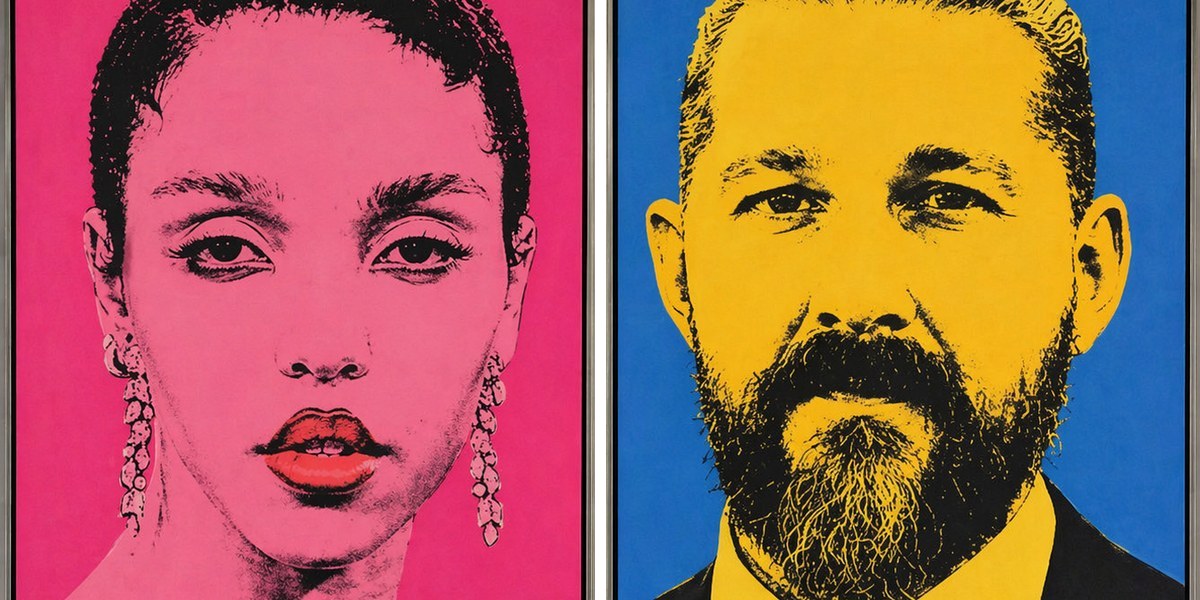
In December 2020, FKA twigs filed a lawsuit against Shia LaBeouf alleging sexual battery, assault, and infliction of emotional distress during their relationship from 2018 to 2019. She accused him of choking her, slamming her against a car on Valentine's Day 2019, and knowingly exposing her to an STI.
The parties reached a private settlement in July 2025, and Barnett moved to dismiss the original suit. The settlement included a non-disclosure agreement restricting what she could say publicly about the allegations and, according to her new filing, even restricted how she could donate to charities related to domestic and sexual violence.
In October 2025, Barnett gave an interview to The Hollywood Reporter in which she was asked if she felt safe now that the lawsuit was behind her. She responded that she did not feel safe but felt passionate about helping survivors through organizations. In December 2025, LaBeouf's legal team filed a secret arbitration complaint, claiming her comments breached the NDA and seeking significant financial damages.
LaBeouf agreed to drop the arbitration demand in February 2026, but Barnett filed this new lawsuit on March 25, 2026, arguing the underlying NDA dispute remains unresolved and requires a judicial ruling.
- 01 The NDA in the July 2025 settlement is unlawful under California's STAND Act (Stand Together Against Non-Disclosure Act), which prohibits confidentiality clauses in settlements involving sexual assault and harassment.
- 02 LaBeouf filed a "secret arbitration complaint" in December 2025 seeking large sums of money over Barnett's interview comments - statements her attorneys describe as generic and benign, which did not even mention LaBeouf by name.
- 03 The NDA's provisions are "vastly overbroad," attempting to restrict not only discussion of the allegations but also Barnett's ability to donate to domestic violence and sexual abuse charities.
- 04 LaBeouf's legal position - that the STAND Act doesn't apply because the original suit alleged sexual "battery" rather than "assault" - is a semantic distinction that defies legal precedent and common sense.
- 05 LaBeouf's own conduct, including his recent arrests during Mardi Gras in New Orleans on multiple battery charges, undermines any claim of recoverable "damages" from Barnett's statements.
This case directly tests the reach of California's STAND Act into private settlements. If the court rules in Barnett's favor, it could significantly limit the use of NDAs to silence survivors of sexual abuse and set precedent for how confidentiality clauses are drafted in high-profile settlements across the entertainment industry. Survivors' advocates are watching closely, arguing that California's post-#MeToo laws were designed precisely to prevent the kind of secrecy Barnett is now challenging. A decision here could reshape how powerful parties use private agreements to bury abuse allegations.
State of Louisiana v. LaBeouf
Three counts of simple battery stemming from a Mardi Gras altercation at R Bar in the Faubourg Marigny neighborhood of New Orleans. Guilty plea entered June 3, 2026.
Around 12:45 AM on Mardi Gras night (February 17, 2026), New Orleans police responded to R Bar on Royal Street in the Faubourg Marigny after reports of two men being assaulted. LaBeouf was allegedly causing a disturbance and becoming increasingly aggressive inside the bar.
Staff attempted to eject him. According to police reports, LaBeouf punched a bar staff member who was trying to remove him. He then went outside, removed his shirt, and approached men near the bar entrance, shoving and punching them. Video footage captured him head-butting one man and yelling slurs. One victim sustained a potentially dislocated nose. Bystanders physically restrained LaBeouf until officers arrived.
Police also reported that LaBeouf used homophobic slurs during the altercation. Despite this, the Orleans Parish DA’s office filed three misdemeanor simple battery charges rather than pursuing hate-crime enhancements.
LaBeouf was initially arrested on two misdemeanor battery counts and released on his own recognizance. Following the formal May 21 charges, a judge ordered a $100,000 bond (plus an additional $5,000 on the second count), mandatory substance abuse treatment, and regular drug and alcohol testing as conditions of release. He posted bond and has remained out of custody.
UPDATE · June 3, 2026: LaBeouf pleaded guilty.
At his arraignment hearing on June 3, 2026, LaBeouf entered a guilty plea to all three counts of simple battery. The court imposed a 6-month suspended sentence and two years of probation. As part of the plea agreement, he must complete substance abuse treatment, sensitivity training, and anger management classes. Any violation triggers the 6 months in Orleans Parish jail. The case was not charged as a hate crime; police had alleged he shouted homophobic slurs during the altercation, which LaBeouf denied.
- 01 Simple Battery — Punching an R Bar staff member who attempted to eject LaBeouf from the bar.
- 02 Simple Battery — Shoving and striking a man outside the bar after being removed.
- 03 Simple Battery — Third victim in the same altercation. All three offenses occurred on the same night.
Barely five weeks after the Mardi Gras arrest, LaBeouf was photographed shirtless at Le Bon Temps Roulé bar in New Orleans during another apparent altercation. Multiple men in a golf cart reportedly confronted him outside the venue. No additional charges have been filed from this incident.
In a March interview, LaBeouf acknowledged the pattern, saying he hurt people and would deal with it — while framing the incidents against what he described as thousands of positive interactions during his time in New Orleans.
Barnett’s attorneys referenced the Mardi Gras arrest directly in their STAND Act filing, arguing that LaBeouf’s own public conduct — getting arrested for battery on the same holiday weekend he was trying to silence his ex-partner through an NDA — undermines any claim that her interview comments caused him recoverable “damages.” The criminal charges were formally filed by the Orleans Parish DA three months after the arrest, while the NDA lawsuit was already active in LA Superior Court.
Barnett v. The Good Partnership — Trademark
FKA twigs sues a mother-daughter folk duo over the “The Twigs” name in federal court. The defendants fire back with a counterclaim and five affirmative defenses.
In March 2025, Tahliah Barnett (FKA twigs) filed a federal trademark infringement lawsuit in the Southern District of New York against The Laura Good / Linda Good Partnership, a mother-daughter folk duo who have performed as “The Twigs” since the early 2000s. The Goods hold incontestable USPTO registrations on the name dating back to 2011 — years before Barnett adopted the FKA twigs moniker.
In May 2025, the Goods fired back with a counterclaim and five affirmative defenses, including laches (arguing Barnett waited too long to bring the claim) and unclean hands. The case raises the question of whether a globally recognized artist can claim trademark ownership over a name that an independent act registered first.
May 27, 2026: FKA twigs files Motion for Judgment on the Pleadings (MJOP) — asking the judge to rule in her favor based on the pleadings alone, arguing The Twigs’ counterclaims fail as a matter of law without needing a trial.