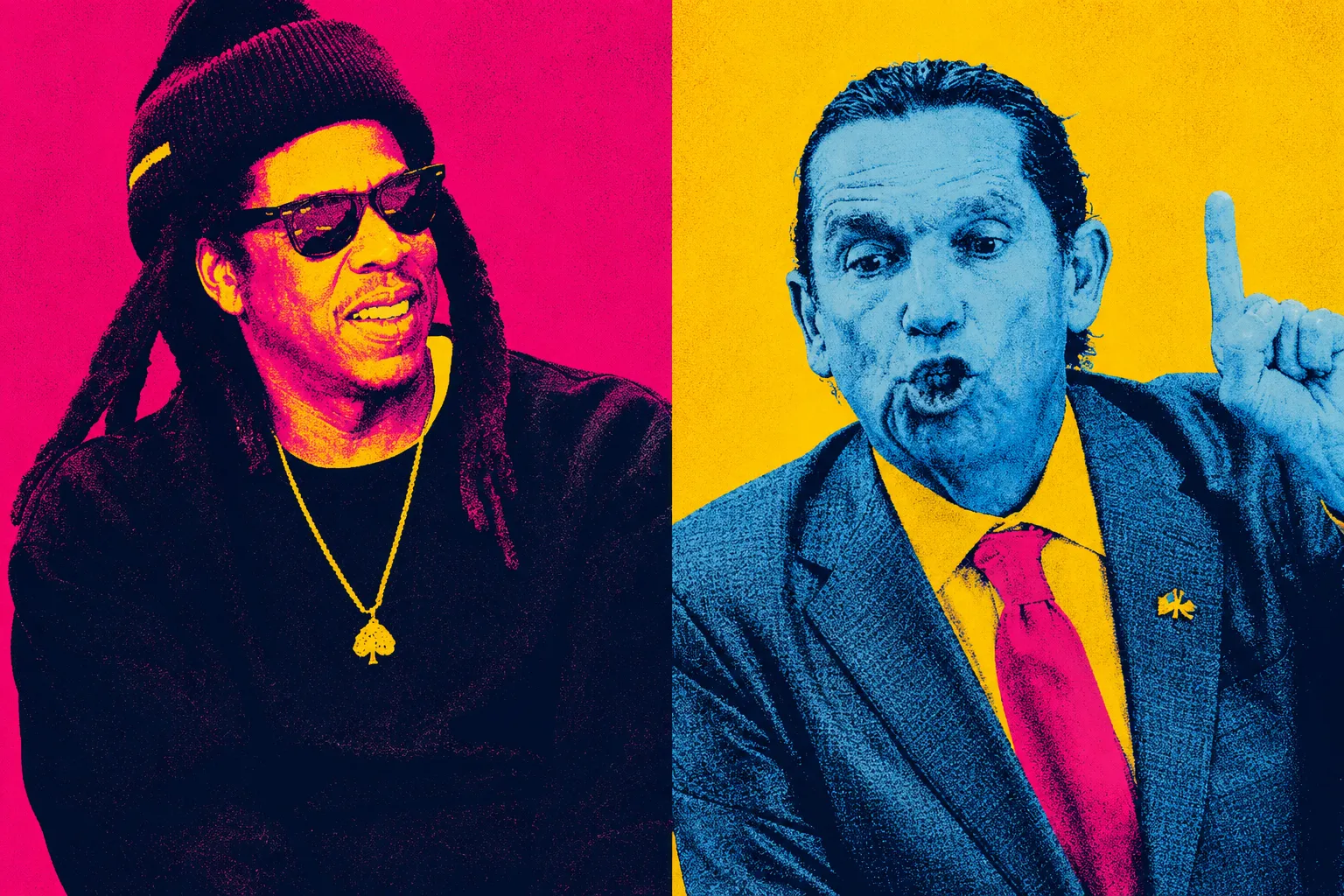
This case arises from Jay-Z's affirmative lawsuit against Houston-based attorney Tony Buzbee and several co-defendants, filed in the Southern District of New York before Judge Dale E. Ho. Carter alleges that Buzbee, his law firm, and associates engaged in a coordinated campaign that caused severe reputational and financial harm.
The complaint has been amended multiple times. The latest motion (Doc 123, filed May 22, 2026) seeks leave to file a Third Amended Complaint, which restructures the claims around New York law and introduces a new cause of action under Judiciary Law §487 — a statute targeting attorney deceit and misconduct involving the judicial process.
Carter's legal team alleges that the coordinated effort resulted in $150M+ in lost financing and contracts, plus additional lost business opportunities. The full scope of claimed damages continues to develop as the case progresses.
The motion for leave to amend, filed May 22, 2026, proposes several significant changes to the complaint:
- Removing certain claims and restructuring the remaining allegations around New York law
- Adding Judiciary Law §487 — a New York statute that specifically addresses attorney deceit and misconduct involving the judicial process
- Continuing to allege a coordinated effort by defendants causing reputational and financial harm
- Financial damages — $150M+ in financing and contracts allegedly evaporated, plus additional lost business opportunities
- 01Judiciary Law §487 — Attorney Deceit/Misconduct. Carter alleges that the defendant attorneys engaged in deceit and misconduct involving the judicial process, a claim specifically available under New York law targeting attorney conduct.
- 02Coordinated Campaign — Reputational Harm. The complaint alleges defendants engaged in a coordinated effort that caused severe damage to Carter's personal and professional reputation.
- 03Financial Damages — $150M+ in Losses. Carter claims that the alleged conduct caused more than $150 million in financing and contracts to evaporate, along with additional lost business opportunities still being quantified.
This case sits at the intersection of celebrity reputation, high-stakes litigation strategy, and the boundaries of attorney conduct. The Judiciary Law §487 claim is notable — it is a rarely invoked New York statute that allows individuals to sue attorneys for intentional deceit in legal proceedings. If the Third Amended Complaint is permitted and the case proceeds on this theory, it could set a meaningful precedent for how public figures can challenge what they characterize as bad-faith legal campaigns.
The $150M+ in alleged financial losses makes this one of the higher-dollar defamation-adjacent cases currently active in federal court. The outcome will be closely watched by entertainment lawyers, reputation-management firms, and anyone following the evolving standards around attorney accountability.
This case is still developing. Several key questions remain open:
- Defendants' response — Buzbee's legal team has not yet filed their opposition to the motion for leave to amend. Their arguments could significantly shape the next stage.
- Defense counsel — Specific attorneys representing the defendants have not been confirmed in the public filings we have reviewed.
- Judge Ho's ruling — Whether the Third Amended Complaint will be allowed to proceed is entirely at the judge's discretion.
- Jane Doe — One defendant is listed as Jane Doe. Her identity and role in the alleged conduct have not been publicly disclosed.