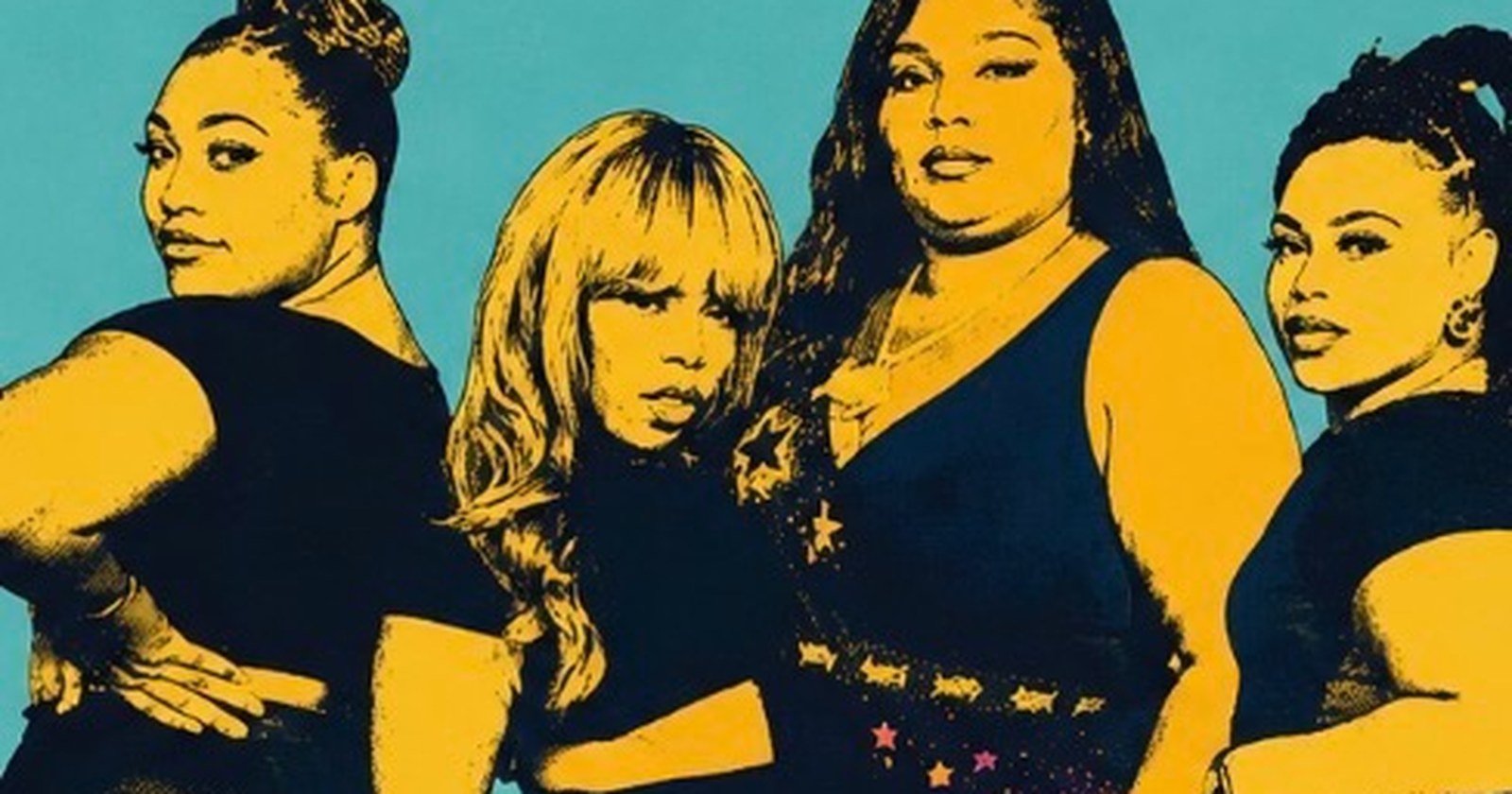
In August 2023, three of Lizzo's former backup dancers — Arianna Davis, Crystal Williams, and Noelle Rodriguez — filed a 9-count complaint in Los Angeles Superior Court (Case No. 23SMCV03553, Santa Monica) against Lizzo, her touring company Big Grrrl Big Touring, Inc. (a Delaware corporation), and dance-team captain Shirlene Quigley. The three were introduced to Lizzo in March 2021 as contestants on her Amazon Prime Video reality show "Watch Out for the Big Grrrls" and were hired as Big Grrrl Dancers for live performances and tours. The complaint alleges a roughly two-year run during which the workplace was sexually charged and the harassment severe enough to make the dancers' employment conditions intolerable.
Specific allegations include being pressured to attend nude performances and to touch nude performers, religious badgering by Quigley, and allegations of weight-shaming targeted at Davis. The complaint also includes claims of disability discrimination, assault, and false imprisonment.
In December 2025, a portion of the original lawsuit — claims tied to fat-shaming Davis and her subsequent firing — was dismissed by the trial judge. The bulk of the harassment and hostile-work-environment claims remain pending and are headed to trial.
May 4, 2026 · CBS Mornings. Lizzo went on national television and made it clear: she's not settling. Direct quote: "I'm fighting the case because I know that it's not true." She called settling "an easy out" and said "the truth is less salacious than the headlines." Her album drops June 5, 2026 — the trial is set for the same year.
- 01FEHA hostile work environment: sexual harassment — all plaintiffs v. all defendants · "sexually charged" workplace, alleged pressure to touch nude performers.
- 02FEHA failure to prevent / remedy sexual harassment — all plaintiffs v. all defendants.
- 03FEHA religious harassment — all plaintiffs v. Quigley & BGBT · dance captain allegedly pressured dancers about religious beliefs.
- 04FEHA failure to prevent / remedy religious harassment — all plaintiffs v. all defendants.
- 05FEHA racial harassment — Williams & Davis v. BGBT.
- 06FEHA disability discrimination — Davis v. BGBT & Lizzo.
- 07Intentional interference with prospective economic advantage — all plaintiffs v. BGBT.
- 08Assault — Rodriguez & Davis v. Lizzo.
- 09False imprisonment — Davis v. BGBT.
- —Weight discrimination — dismissed by the trial judge in December 2025.
Lizzo's brand was built on a body-positive, female-empowerment platform. The plaintiffs' theory — that the same person preaching empowerment was overseeing a harassment-tolerant workplace — strikes at the core of that brand identity. With the weight-discrimination piece already gone and Lizzo publicly refusing to settle, the trial will turn on the surviving harassment, hostile-work-environment, and assault claims. The First Amendment defense Lizzo raised on appeal — that some of the alleged conduct was protected expression — is itself a novel test for how performer-employer speech interacts with employment-tort liability.