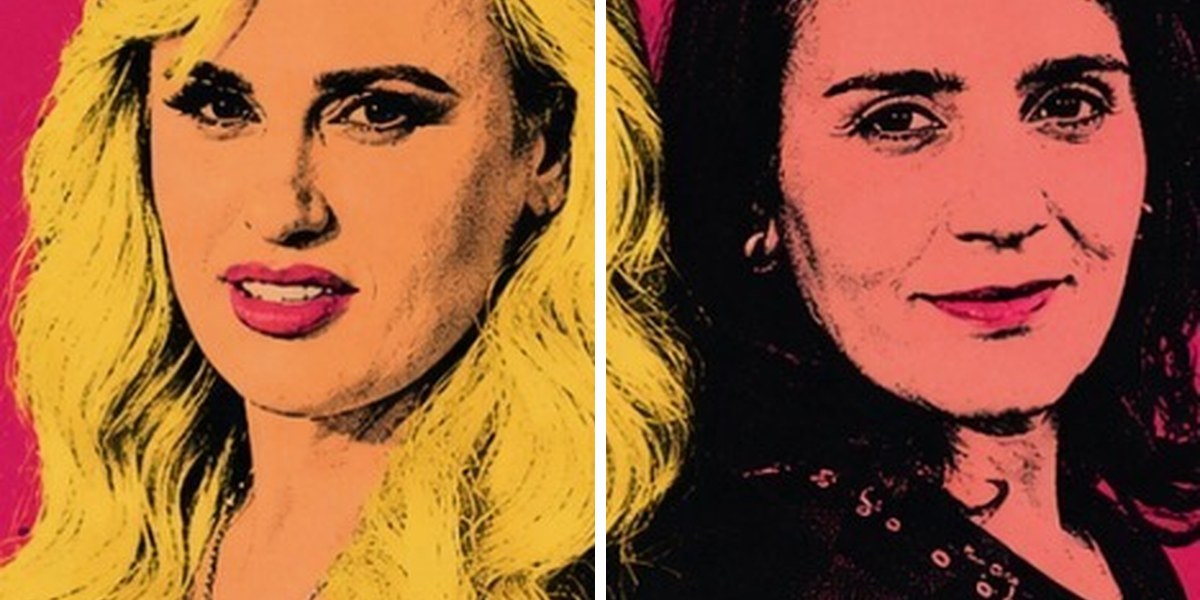
On July 12, 2024, Rebel Wilson posted a video to her 11 million Instagram followers accusing the producers of her directorial debut, The Deb, of embezzling approximately AU$900,000 from the film's budget and alleging that producer Amanda Ghost sexually harassed the film's lead actress. She called the producers "fuckwits" and claimed they tried to block the film's premiere at TIFF.
The producers filed a defamation lawsuit days later. Wilson filed a countersuit in October 2024, repeating her allegations and adding claims of breach of contract, false imprisonment, and emotional distress. The film's lead actress, Charlotte MacInnes, publicly denied being sexually harassed and filed her own defamation notice against Wilson in Australia.
In January 2026, a judge denied Wilson's anti-SLAPP motion and granted Ghost limited discovery after anonymous websites describing Ghost as "the Indian Ghislaine Maxwell" emerged - which Ghost's lawyers allege were orchestrated through Wilson's PR team. Discovery has since produced text exchanges between members of that team that Ghost says back up the allegation; Wilson denies any involvement.
Wilson has denied all involvement with the websites and has accused billionaire Sir Len Blavatnik of funding multiple lawsuits against her across two continents.
- 01Producers allege Wilson defamed them with false accusations of embezzlement and sexual harassment to seize control of the film and its writing credit.
- 02Wilson's countersuit alleges producers inflated the budget, split AU$900,000 among themselves, and engaged in a pattern of "theft, bullying and sexual misconduct."
- 03Ghost alleges Wilson directed her PR team to create anonymous defamatory websites portraying her as a sex trafficker - Wilson denies any involvement.
- 04UK production company AI Film sued Wilson separately in NSW Supreme Court, alleging she blocked distributor Kismet Movies by threatening to sue if the film released - to devalue the film and force a buyout via her company Camp Sugar.
Many of the same Hollywood-machinery questions at dispute in Lively v. Wayfarer show up again here - texts, publicists, lot bans, budget fights, back-channel PR. The case is layered: a producers' defamation suit, a director's countersuit, a separate distribution-sabotage action in NSW Supreme Court, a defamation trial running in real time at the Federal Court of Australia, and a pending anti-SLAPP appeal in California - all over one movie. A jury trial in the LA producers' case is tentatively set for October 2026.
Australian defamation has six classic elements. Below is where each one currently sits in the FCA trial as of Wilson's cross-examination — what's met, what's contested, what's the live battle. Verify specific testimony from court reporters before air.
The factual fight at the center of Wilson's truth defense. The same event, two starkly different accounts.
Whichever way the judge resolves this dispute likely decides the truth defense — and with it, the case.
MacInnes v. Wilson
Charlotte MacInnes — the lead actress Wilson said was harassed — sued Wilson for defamation in the Federal Court of Australia. MacInnes denies any harassment occurred and says Wilson’s claims damaged her career.
AI Film v. Wilson
UK-based AI Film (co-rights holder of The Deb alongside Wilson’s Camp Sugar) alleges Wilson blocked distribution by threatening to sue if the film released, forcing distributor Kismet Movies to withdraw — to devalue the film and force a buyout.